
Life doesn’t always follow a predictable budget. A car repair, medical bill, home issue, or job change can show up when you least expect it—and without a financial cushion, those moments can quickly turn into stress.
An emergency fund is one of the most powerful tools for financial stability, but it’s also one of the hardest to build. If you’ve had to dip into savings recently or haven’t been able to start at all, you’re not alone. The good news? Building or rebuilding an emergency fund doesn’t have to be all-or-nothing. Small, consistent steps matter more than hitting a perfect number.
Why an Emergency Fund Matters
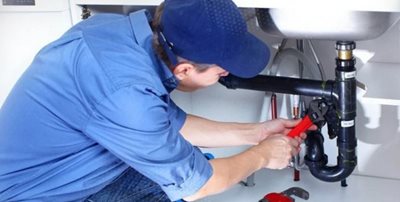 An emergency fund is money set aside specifically for unexpected expenses, not planned purchases or everyday spending. True emergencies might include these events:
- Urgent car repairs
- Medical or dental bills
- Home or vehicle repairs that can’t wait
- Temporary loss of income
- Travel related to family emergencies
Having cash available for these moments can reduce stress and help you avoid relying on high-interest credit cards or loans when time and options are limited. Even a modest emergency fund can provide breathing room and flexibility when life throws a curveball.
How Much Should You Save?
You’ve probably heard the traditional advice: aim to save three to six months of living expenses. While that’s a helpful long-term benchmark, it can also feel overwhelming, especially if you’re starting from scratch or rebuilding after a setback.
Instead of focusing on the final number, try breaking your goal into manageable milestones:
- $500 for smaller, immediate emergencies
- $1,000 to cover common unexpected expenses
- One month of essential expenses
- Gradually working toward longer-term security
Progress isn’t about perfection. Reaching your first milestone, no matter how small, is a meaningful step forward.
Building (or Rebuilding) Your Emergency Fund, Step by Step
1. Start Small and Be Consistent
You don’t need a large lump sum to get started. Even setting aside $10–$25 per paycheck can build momentum over time. What matters most is consistency.
2. Automate When Possible
Automatic transfers can make saving easier by removing the need to remember or make a decision each time. Members can use digital banking tools to schedule recurring transfers into savings, helping make emergency saving a habit rather than a chore.
Learn more about savings options here:
https://www.membersfirstnh.org/Bank/Savings/Personal-Savings
3. Keep Emergency Funds Separate
Storing emergency savings in a dedicated account—separate from everyday spending—can help prevent accidental use and make your balance easier to track. When savings are clearly labeled “emergency,” it’s easier to protect them.
4. Increase Gradually
As your financial situation changes, such as when you pay off a loan or receive a raise, you can slowly increase your contribution. Small adjustments over time can lead to meaningful growth without straining your budget.
Choosing the Right Savings Tools
Not all savings accounts serve the same purpose. When it comes to emergency funds, accessibility and flexibility matter just as much as earning interest.
Regular Savings Accounts
A standard savings account is a great place to start. It keeps funds liquid and easily accessible when you need them most.
Explore personal savings accounts:
https://www.membersfirstnh.org/Bank/Savings/Personal-Savings
Money Market Accounts
For members with a larger emergency balance, a money market account may offer higher interest while still allowing access to funds. These accounts can be a good option once your emergency fund has reached a comfortable level.
Learn more about money market and certificate options:
https://www.membersfirstnh.org/Bank/Savings/Certificates
The right choice depends on your goals, your balance, and how quickly you may need access to funds.
Can a HELOC Be Part of an Emergency Plan?
Cash savings should always be the first line of defense in an emergency. However, for homeowners, a Home Equity Line of Credit (HELOC) can serve as a backup.
A HELOC works like a financial safety net: available when needed, with interest charged only on the portion you use. It may be helpful in situations such as:
- Covering a large, unexpected expense when cash savings aren’t fully built
- Bridging a short-term gap while rebuilding savings
- Managing home-related emergencies
Because a HELOC is a form of credit secured by your home, it’s important to understand the terms, interest rates, and repayment expectations before using it.
“A savings account should be the first option for smaller, immediate expenses. A HELOC will provide for a larger expense or a longer recovery period,” says Christine Whittaker, Vice President of Lending at Members First Credit Union.
Learn more about home equity options:
https://www.membersfirstnh.org/Borrow/Home-Loans/Home-Equity
If you’re unsure whether a HELOC makes sense for your situation, a Member Services representative can help you explore your options.
Progress Over Perfection
 If you’re starting later than you planned or rebuilding after a tough season, give yourself credit for taking the next step. Emergency funds aren’t about doing everything “right.” They’re about being prepared in a way that fits your life.
Even a small emergency fund is better than none. Having a plan, however simple, can bring peace of mind and reduce financial stress over time.
Members First is here to support you with tools, guidance, and flexible options designed to meet you where you are. Whether you’re just getting started or finding your footing again, you don’t have to do it alone.
“Members First Credit Union plays a critical role by putting education, transparency, and trust at the center of the borrowing experience—so members feel confident, not rushed or pressured,” Whittaker says.
Ready to take the next step?
Explore savings options, learn about lending tools, or connect with a Member Services representative to build an emergency plan that works for you.